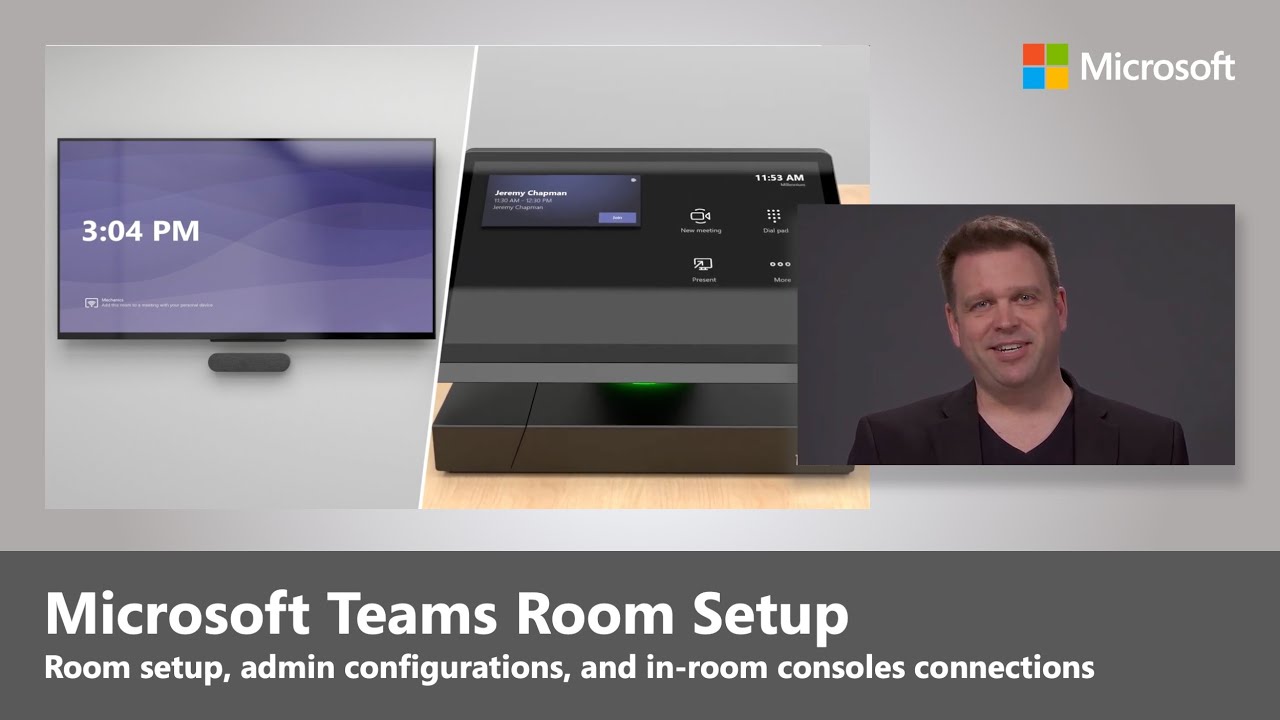
Creating inclusive spaces is not only a vogue; it really is a need in latest various paintings environments. As firms evolve, so do the necessities of their groups. Understanding the way to layout areas that cater to a considerable number of group participants can critically effect collaboration, productivity, and typical employee satisfaction. This article will delve into the intricacies of designing inclusive areas, concentrating on suggestions equivalent to Microsoft Signature Rooms and Teams Signature Rooms, which are tailor-made to foster collaboration amongst dissimilar groups.
What Are Inclusive Spaces?
Designing inclusive spaces that cater to dissimilar crew demands starts offevolved with figuring out what these areas entail. Inclusive areas are designed to accommodate humans from a variety of backgrounds, competencies, and possibilities. They foster an environment the place each person feels valued and engaged.
The Importance of Inclusivity
Inclusivity is going beyond mere bodily house. It encapsulates emotional and mental safe practices. A subculture of inclusivity encourages varied views, ideal to innovative treatments and improved subject-solving abilities.
Characteristics of Inclusive Spaces
Some key features of inclusive spaces embrace:
Flexible Layouts: These permit for a range of neighborhood sizes and routine. Accessible Design: Ensuring all members, no matter potential, can navigate the gap with no trouble. Technology Integration: Using instruments like Microsoft Teams Signature Rooms promotes seamless verbal exchange. Comfortable Furnishings: Ergonomic seating and adjustable furnishings can cater to distinct needs.Why Diverse Teams Need Inclusive Spaces
Diversity brings one of a kind viewpoints into the combination, which could result in richer discussions and greater innovative effects. However, if workforce participants really feel uncomfortable or marginalized thanks to their surroundings, their contributions might go through.
Enhancing Collaboration Through Design
When designing spaces that cater certainly to assorted groups, it’s crucial to create environments conducive to collaboration. This ability no longer simply providing the desirable gear but also fostering a lifestyle the place every person feels empowered to proportion their strategies.
Examples of Collaborative Spaces
- Open Plan Areas: Encourages spontaneous interaction. Breakout Rooms: Ideal for smaller teams desiring privacy for brainstorming classes. Quiet Zones: Essential for people who may perhaps want solitude to cognizance.
Key Elements in Designing Inclusive Spaces
Accessibility Considerations
It’s imperative that each member of your team can without difficulty get entry to shared areas. This entails wheelchair access, sensory-pleasant zones for neurodiverse persons, and ensuring transparent signage at some stage in your facility.
Acoustics Matter
Noise levels can notably affect how effectively contributors keep in touch and listen. Incorporating sound-dampening constituents can create quieter parts whereas nevertheless making an allowance for collaborative discussions in open settings.
Technology Integration: Microsoft Signature Rooms
Using science efficiently is pivotal in growing inclusive environments. The incorporation of Microsoft Signature Rooms helps groups to attach seamlessly across distances, reaping benefits people that may very well be faraway or working flexible hours.
Features of Microsoft Signature Rooms
High-definition video conferencing capabilities Intuitive contact-screen controls Integration with Microsoft Teams for immediate connectivity Adaptable settings for different meeting models (brainstorming classes vs formal displays)Analyzing Different Types of Inclusive Workspaces
Understanding the different types of workspaces available supports tailor designs per workforce wants.
Traditional Office Layouts vs Modern Flexible Spaces
Traditional layouts on the whole restrict collaboration via inflexible buildings while cutting-edge flexible spaces adapt in keeping with challenge standards.
The Role of Signature Rooms in Modern Offices
Microsoft Teams Signature Rooms exemplify how technology can escalate normal office setups through featuring dynamic assembly environments designed for right this moment’s hybrid work force.
Strategies for Implementing Inclusivity in Design
Implementing inclusivity requires making plans and foresight:
Involve Your Team within the Design Process
Engaging workers in discussions approximately workspace layout ensures their voices are heard and their extraordinary needs accounted for.
Trial Periods for New Designs
Before committing wholly, imagine pilot trying out new configurations or technology like groups signature rooms with decide upon companies within your service provider.
Measuring Success: How Do You Know If You’ve Created an Inclusive Space?
To gauge regardless of whether your efforts had been victorious:
- Conduct surveys assessing crew member satisfaction with workspace designs. Monitor productiveness stages formerly and after imposing ameliorations. Look at engagement metrics for the time of conferences held in new spaces like Microsoft signature rooms.
Challenges in Designing Inclusive Spaces
No layout is highest; challenges will rise up while seeking to accommodate all and sundry’s desires:
Budget Constraints
Inclusive layout may just look highly-priced upfront yet consider it an funding towards long-time period worker satisfaction and retention premiums.
Resistance To Change
Some workforce contributors would withstand new designs out of comfort with present setups; obtaining buy-in is elementary through transparent conversation approximately blessings.
Real-Life Case Studies: Companies Leading the Way
Several vendors have embraced inclusivity wholeheartedly:
Example 1: Google’s Office Design Philosophy
Google has invested seriously in growing adaptable workplace layouts that inspire each collaboration and particular person paintings wants due to distinctive area offerings together with quiet rooms and collaborative zones in a position with methods teams signature like Microsoft Teams Signature Rooms.
Example 2: Microsoft's Focus on Inclusiveness
Microsoft has incorporated principles of everyday layout throughout its campuses all over the world; this contains accessibility points enabling all staff equivalent entry despite means or history—a true testomony to “Designing Inclusive Spaces that Cater to Diverse Team Needs.”
Frequently Asked Questions (FAQs)
What constitutes an inclusive workplace?- An inclusive place of work values variety by means of fostering a lifestyle where all workers consider welcomed inspite of their backgrounds or advantage.
- They present evolved technological assist permitting helpful far flung verbal exchange although accommodating diversified assembly formats suitable for dissimilar teams.
- Investments lead no longer simplest towards better worker pride yet also recover ordinary productiveness via leveraging different perspectives accurately.
- Many think it merely entails bodily variations in preference to encompassing cultural shifts very important for aiding variety comprehensively.
- Absolutely! Smaller agencies pretty much have tighter-knit groups which thrive on inclusivity—growing effective cultures leads promptly into more beneficial achievement!
- By imparting methods including video conferencing (e.g., Microsoft Teams), tech guarantees seamless connectivity among remote laborers & on-web page groups bettering collaboration possibilities across distances!
Conclusion: The Future is Inclusive
In abstract, "Designing Inclusive Spaces that Cater to Diverse Team Needs" isn’t just a noble goal—it’s mandatory for thriving organisations at this time! Embracing diversity simply by thoughtful layout fosters innovation at the same time as empowering your group like by no means in the past! By integrating answers such as Microsoft signature rooms into your format plans alongside cultivating supportive cultures—your guests stands poised at the forefront competent take on future challenges head-on!